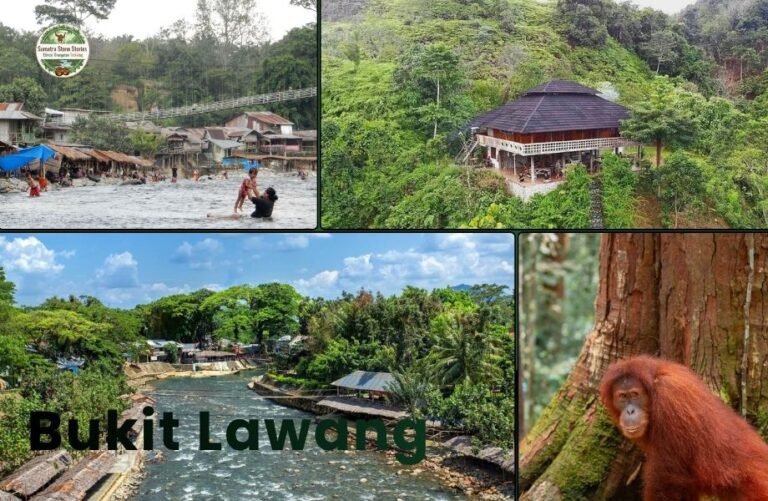
Bukit Lawang is a small village in Langkat Regency, North Sumatra. It sits on the banks of the Bohorok River, right at the edge of Gunung Leuser National Park. The village is best known as one of the few places in the world where you can trek into the rainforest and see wild Sumatran orangutans up close. For most travelers heading to North Sumatra, Bukit Lawang is the main reason to come.
The History Behind Bukit Lawang
Bukit Lawang began as a quiet river village until the early 1970s, when two Swiss conservationists set up an orangutan rehabilitation center here. The center was created to reintroduce Sumatran orangutans that had been kept illegally as pets back into the wild. Over the following decades, the rehabilitation program helped rebuild a healthy wild population in the surrounding forest, and the village grew around it as visitors came to see the results. The rehabilitation center itself is no longer active in the same way, but its legacy is the reason wild orangutans are still so visible in this part of the park today.
Bukit Lawang and Gunung Leuser National Park
Gunung Leuser National Park is a UNESCO World Heritage Site and one of the largest remaining rainforest ecosystems in Southeast Asia. Bukit Lawang sits directly on one of its main access points, which makes it the easiest and most popular way to enter the park. Inside, the forest is home to Sumatran orangutans, Thomas leaf monkeys, long-tailed macaques, gibbons, hornbills, and a wide range of plant and bird species found nowhere else. Sumatran tigers and rhinos also live within the wider park, though sightings of them are extremely rare.
Entry into the park is only allowed with a permit and an accompanying licensed guide. This rule exists to protect the animals as much as it protects visitors, since the guides are trained to keep safe distances from wildlife and to read the forest for signs of danger.
Seeing Sumatran Orangutans in Bukit Lawang
The Sumatran orangutan is critically endangered, with only a few thousand left in the wild, almost all of them within Gunung Leuser. Bukit Lawang offers some of the highest chances anywhere in the world of seeing one in its natural environment rather than in captivity. Most guided treks spot orangutans within the first few hours, often feeding, resting, or moving through the canopy with their young.
Guides ask visitors to keep a respectful distance and avoid direct eye contact or feeding the animals. These are semi-wild orangutans that have had contact with humans in the past, so following the guide’s instructions closely matters more here than in most other wildlife settings.
Jungle Trekking in Bukit Lawang
Trekking is the core activity in Bukit Lawang, and it can be shaped around almost any length of trip. A half-day or full-day trek in Bukit Lawang suits travelers who are short on time or trekking with children. Overnight treks of two to three days go deeper into the forest and usually end with a river tubing session back to the village. Longer treks of four to six days push further into remote parts of the park and suit travelers who want a real physical challenge alongside the wildlife.
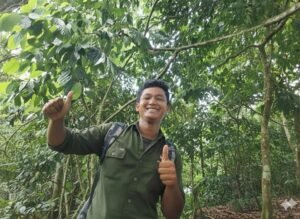
Every trek requires a licensed guide, and most operators build the permit cost directly into the package price. It is worth choosing an operator that keeps groups small and works with guides who live locally, since this tends to mean better wildlife knowledge and a lighter footprint on the trails. This is the approach we take at Sumatra Stone Stories, where our treks into Gunung Leuser are run in small groups with guides from the Bukit Lawang area.
The terrain is steeper and muddier than most visitors expect, even on shorter routes. Trekking shoes with good grip make a real difference over sandals or regular sneakers.
Other Things to Do in Bukit Lawang
Bukit Lawang is not only about trekking. Once a trek is done, most multi-day Bukit Lawang trips end with tubing down the Bohorok River, floating on an inflatable ring past cliffs and jungle on either side. Locals do this too, and it is common to see schoolchildren tubing in the late afternoon.
Beyond the river, the area has a bat cave near the Landak River, several waterfalls within a short drive, and small villages where cooking classes and craft workshops are offered. A Friday local market is worth timing a visit around if you want a look at everyday life outside the tourist path. Travelers with extra time sometimes combine Bukit Lawang with a day trip to the Tangkahan elephant sanctuary, about two hours away.
Where to Stay in Bukit Lawang
Most accommodation sits along the river, within walking distance of restaurants, guide offices, and the main trail into the park. The area around Monkey Bridge is the most central, with direct river access and an easy walk to trekking operators. Jalan Orangutan, a little further along, is quieter and better known for monkey sightings directly from guesthouse gardens.
Budget guesthouses, mid-range bungalows, and a handful of higher end eco lodges are all available, and it is worth booking ahead during the dry season when rooms fill up quickly.
Best Time to Visit Bukit Lawang
The dry season, roughly from May to September, offers the most reliable trekking conditions, with firmer trails and a lower chance of leeches. Trekking is possible year-round, and orangutan sightings are not seasonal, but the wetter months from October to April bring muddier trails and a higher chance of rain interrupting plans. Travelers who don’t mind rain can still have a great trip outside the dry season, often with fewer crowds on the trails.
How to Get to Bukit Lawang
Most visitors arrive via Medan, the nearest city with an international airport. From Medan, Bukit Lawang is roughly three to four hours by road. Shared minivans and public buses run from Pinang Baris terminal, while operator-arranged private car transfers from Medan to Bukit Lawang are faster and more convenient, especially if you are arriving with trekking gear or on a tight schedule.
What to Pack for a Bukit Lawang Trek
A few items make a noticeable difference on the trail. Trekking shoes with real grip, quick dry clothing, a light rain jacket, and insect or leech repellent all matter more here than they might elsewhere. A basic dry bag protects electronics if the trek includes river crossings or tubing at the end. Cash in small denominations is useful too, since card payments are rarely accepted outside the main guesthouses.
Is Bukit Lawang Worth Visiting
For anyone interested in wildlife, rainforest ecosystems, or simply a physically active few days away from cities, Bukit Lawang is one of the most rewarding stops in Sumatra. The combination of near-guaranteed orangutan sightings, genuine conservation history, and a village built around the river makes it distinct from most other jungle destinations in Southeast Asia.
Frequently Asked Questions
Is Bukit Lawang safe to visit?
Yes, as long as trekking is done with a licensed guide and park rules around wildlife distance are respected.
How many days do you need in Bukit Lawang?
Two to four nights is typical, enough for one full trekking day plus time for tubing or rest.
Can you see orangutans without trekking?
Sightings are occasionally possible from riverside guesthouses, but a guided trek gives a far higher and more reliable chance.
Is Bukit Lawang suitable for families?
The Full-day treks work well for families with older children, though the terrain can be tough for very young kids.
What is the closest airport to Bukit Lawang?
Kualanamu International Airport in Medan, around three to four hours away by road.