
10 Animals You Can See in Gunung Leuser National Park
4/9/20262 min read
Introduction to Gunung Leuser National Park Rainforest
Gunung Leuser National Park, located in Northern Sumatra, Indonesia, is a remarkable expanse of tropical rainforest, teeming with diverse wildlife. As part of the UNESCO World Heritage-listed Tropical Rainforest of Sumatra, this national park is a sanctuary for many of the island's endemic species and a paradise for trekkers and animal enthusiasts alike. With its lush foliage, towering trees, and vibrant ecosystems, Gunung Leuser National Park wildlife invites travelers to experience its exhilarating biodiversity. A jungle trekking adventure in Bukit Lawang allows visitors to immerse themselves in this wildlife-rich environment, with opportunities to encounter fascinating creatures that thrive in this unique habitat.
Description of 10 Animals in Sumatra Rainforest
The adventure of jungle trekking in Bukit Lawang introduces travelers to an array of captivating animals. Here are ten remarkable species you might encounter:
- Orangutans - As the flagship species of Sumatra, the critically endangered Sumatran orangutan is often spotted swinging gracefully from branch to branch.
- Thomas Leaf Monkeys - These playful primates, known for their striking white markings, can often be seen feeding on leaves high in the treetops.
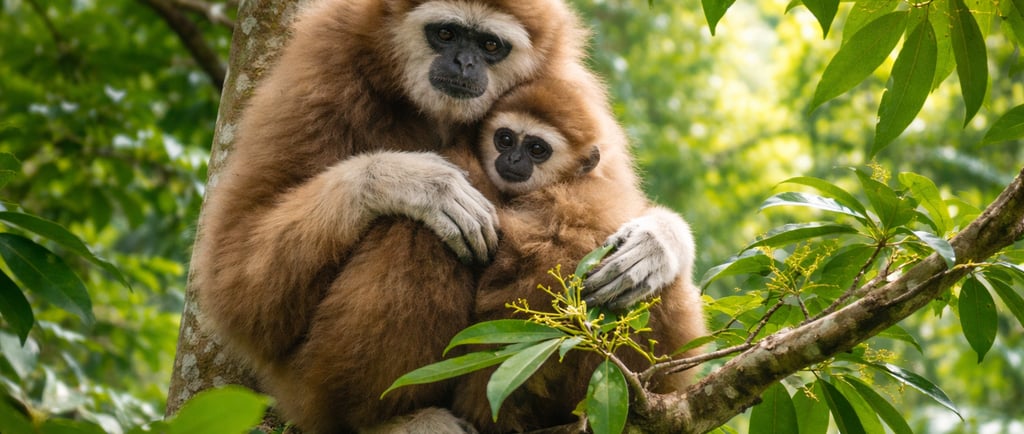
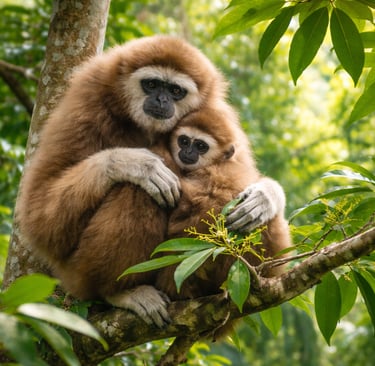
- Gibbons - Renowned for their acrobatic skills, gibbons are often heard before they are seen, filling the jungle with their distinctive calls as they move through the trees.
- Hornbills - With their remarkable beaks, hornbills are an iconic sight in the park. Their colorful plumage and unique courtship displays make them a photographer's favorite.
- Macaques - These adaptable monkeys are a common sight in the park, known for their curiosity and social behaviors that amuse visitors.
- Sumatran Tigers - Though elusive, the presence of these majestic felines adds an element of thrill for trekkers lucky enough to spot one.
- Sun Bears - The world’s smallest bear species, sun bears are often found climbing trees in search of honey or insects.
- Clouded Leopards - Rarely seen, these beautifully spotted cats are masters of camouflage, making any encounter a memorable event.
- Flying Foxes - These large fruit bats can often be seen hanging in the trees during the day, showcasing the diversity of this ecosystem.
- Asian Elephant - These gentle giants roam in small herds, and spotting them is a special highlight of any trekking experience.
Why Gunung Leuser National Park is One of the Best Wildlife Destinations in Sumatra
Gunung Leuser National Park stands out as a premier wildlife destination for several reasons. Its protection status helps preserve critical habitats that are home to endangered species, while the unique mix of ecosystems—including lowland rainforests and mountainous terrains—offers diverse wildlife opportunities. The park is remarkably accessible from Bukit Lawang, allowing nature lovers to explore its depths on expertly guided treks, ensuring safety while maximizing encounters with wildlife.
Tips for Spotting Wildlife During Jungle Trekking
To enhance your wildlife spotting experiences in Gunung Leuser National Park, consider the following tips:
- Stay Quiet: Animals are sensitive to noise; keep conversations low to avoid startling them.
- Be Patient: Wildlife sightings often require time and persistence, so be prepared to wait silently.
- Travel with a Guide: Local guides are invaluable for spotting animals you may overlook and can share insights about the ecology of the area.
- Bring Binoculars and Cameras: Capture moments and view distant creatures without intruding on their space.
- Time Your Trek: Early morning or late afternoon are typically the best times for wildlife activity.
Choosing to explore Gunung Leuser National Park through jungle trekking is not just an adventure; it is an opportunity to connect with nature and witness the stunning wildlife of Sumatra. Don’t miss the chance to experience this untouched wilderness; your encounter with its extraordinary inhabitants awaits.